Scalable Enterprise Software
Development in Udaipur
In today’s fast-paced digital era, enterprise software development has become the backbone of modern businesses, empowering organizations to optimize efficiency, reduce manual efforts, and drive sustainable growth. As companies continue to embrace digital transformation, the demand for customized enterprise solutions has increased significantly. Unlike off-the-shelf applications, enterprise software development services focus on building tailored solutions that align with specific organizational goals, industry needs, and customer demands.
What Is Enterprise Software?
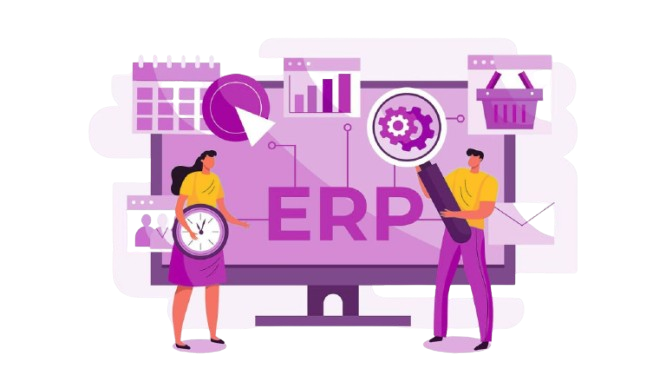
Enterprise software refers to complex, large-scale software systems built to meet the core operational needs of an organization. These systems often cover:
-
Enterprise Resource Planning (ERP)
-
Customer Relationship Management (CRM)
-
Supply Chain Management (SCM)
-
Business Intelligence and Analytics
-
Human Resource Management Systems (HRMS)
-
Integration with external APIs, legacy systems, and third-party tools
Integration with legacy
Build adapter
High implementation costs
cloud infrastructure
Technical debt
architectural governance
Best Practices in Enterprise Software Development
Companies need enterprise software solutions to automate workflows, reduce errors, ensure data consistency, and improve productivity. These systems also provide scalability, security, and compliance with industry regulations.
Unlike consumer apps, enterprise software handles larger volumes of data, supports multiple users, integrates with legacy systems, and prioritizes security, compliance, and scalability.
Challenges include high costs, complex integrations, resistance to adoption, security risks, and managing technical debt. These can be overcome with proper planning, agile practices, and strong IT governance.
The timeline varies from a few months to over a year depending on project size, customizations, integrations, and team expertise. Agile methodology helps speed up delivery